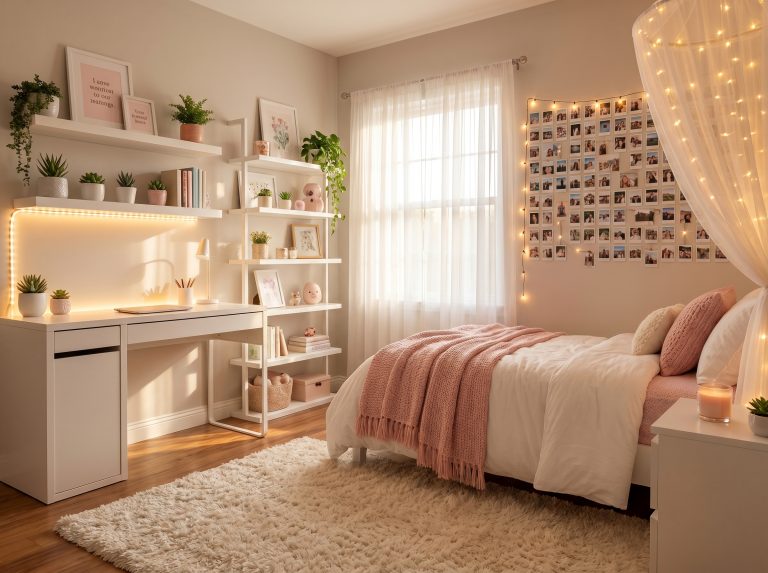
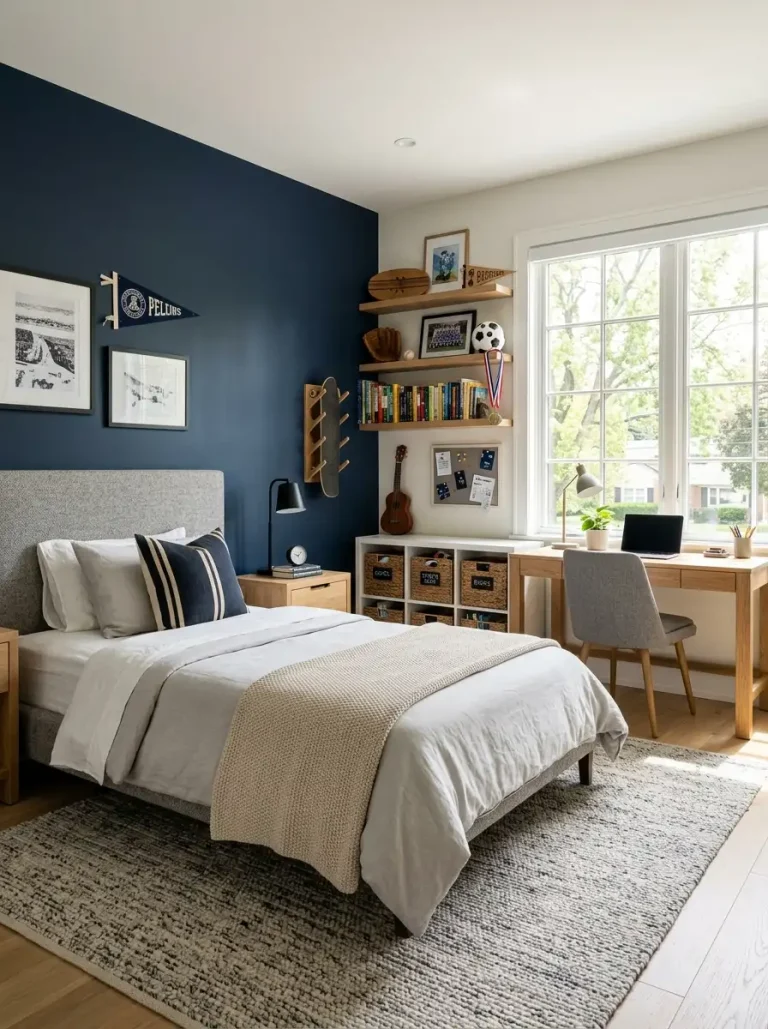
11 Small Room Layout Ideas

Designing a small room can feel challenging, but with the right layout strategy, even the tiniest space can become highly functional, comfortable, and visually appealing. The secret is to arrange furniture in a way that improves flow, maximizes storage, and creates an open, breathable atmosphere.
Below are 11 practical and creative small room layout ideas that will help you make the most of every square foot.
1. Start with a Focal Point Layout
Every room needs a focal point—usually the bed, sofa, or main seating area. In small rooms, place your largest furniture piece first and build the layout around it. This helps avoid cluttered arrangements and keeps the room visually balanced.
2. Push Furniture Against Walls
One of the simplest tricks for small rooms is placing furniture against the walls. This opens up the center space, making the room feel larger and easier to move around in. However, avoid overcrowding one wall; distribute items evenly for balance.
3. Use Corner Spaces Efficiently
Corners are often wasted in small rooms. Use them for corner desks, shelves, or seating. A well-designed corner setup can add storage or functionality without taking up valuable central space.
4. Choose Floating Furniture
Floating furniture like wall-mounted desks, shelves, and nightstands helps free up floor space. This creates a lighter, more open look and makes cleaning easier as well.
5. Create Zones in the Room
Even in a small space, zoning can improve functionality. Divide the room into areas like sleeping, working, and relaxing. Use rugs, lighting, or furniture placement to define each zone clearly without adding physical barriers.
6. Keep Pathways Clear
A good layout always ensures easy movement. Avoid blocking walkways with chairs, tables, or storage units. Clear pathways make the room feel more spacious and comfortable to use daily.
7. Use a Vertical Layout Strategy
When floor space is limited, think vertically. Tall shelves, stacked storage units, and wall-mounted storage help keep things organized without crowding the room. This also draws the eye upward, making the room feel taller.
8. Opt for Symmetrical Layouts
Symmetry creates a sense of order and calmness in small rooms. Placing identical items on either side of the bed or sofa can make the space feel more balanced and visually pleasing.
9. Try an L-Shaped Furniture Arrangement
An L-shaped layout works especially well in small bedrooms and living spaces. It opens up one side of the room while keeping essential furniture close together, improving both flow and functionality.
10. Use Multi-Purpose Furniture Placement
Arrange furniture in a way that allows multiple uses. For example, a desk near a window can serve as a study and vanity area. A storage bench at the foot of the bed can act as seating and storage at the same time.
11. Avoid Overcrowding the Room
The biggest mistake in small room design is adding too much furniture. Stick to essentials only. A minimal layout not only improves movement but also makes the room feel cleaner and more spacious.
Final Thoughts
A well-planned layout can completely transform a small room. By focusing on smart furniture placement, vertical storage, and open space management, you can create a room that feels bigger, more organized, and highly functional.